📖 About Spider Solitaire
What is Spider Solitaire? 🃏
Spider Solitaire is a popular two-deck solitaire game (104 cards total) where your main goal is to remove all cards from the tableau by building descending runs in the right order. It’s called “Spider” because the game has eight foundation piles—like a spider’s eight legs—and completing runs clears those piles.
Objective
Arrange cards in the tableau into in-suit sequences from King down to Ace. When a full valid sequence is completed, it’s removed from the table, and you keep working until every card is gone.
How to play Spider Solitaire 🎮
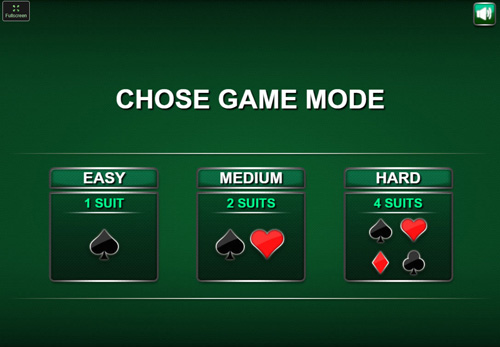
- Start ▶️ - Choose your game mode/difficulty, then begin.
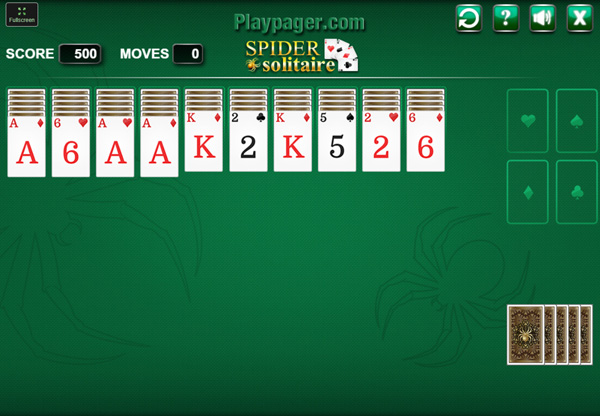
- Tableau columns - Cards are dealt into multiple columns where you create runs by placing cards one rank lower.
- In-suit building - In classic Spider rules, sequences are built by suit (so matching suit runs are what you’re aiming to complete).
- Move sequences - You can move correctly ordered stacks to help reorganize the tableau and expose new cards.
- When you’re stuck - Use the deal/re-deal action to place a new row of cards into the tableau (often from stacks on the board).
- Win 🎯 - Remove every card by completing all the required runs.
Spider Solitaire strategy tips 🧠
- Build toward “full runs” - Quick wins are nice, but the strongest long-term plan is forming sequences that can realistically reach King→Ace.
- Expose hidden cards early - Many deals become possible only after you uncover top cards. Prioritize moves that open new options.
- Watch what you break - Splitting up a nearly-complete run can slow you down. If a move risks dismantling progress, double-check first.
- Use deals as a resource - Don’t waste opportunities to set up better placements before triggering a new deal.
- Adjust to the difficulty - Modes that use more suits are harder because in-suit sequences are stricter—plan tighter when you’re in a 4-suit style mode.
A quick history
Spider Solitaire is a classic two-deck solitaire type that originated in the mid-1900s era, and it became widely recognized through its appearance in popular desktop game collections—helping it stay one of the most replayed solitaire games worldwide.
Screenshots
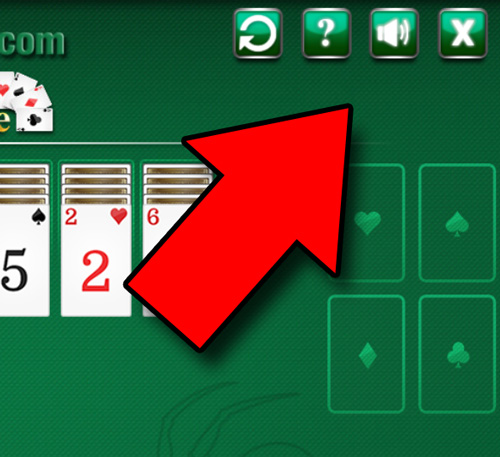
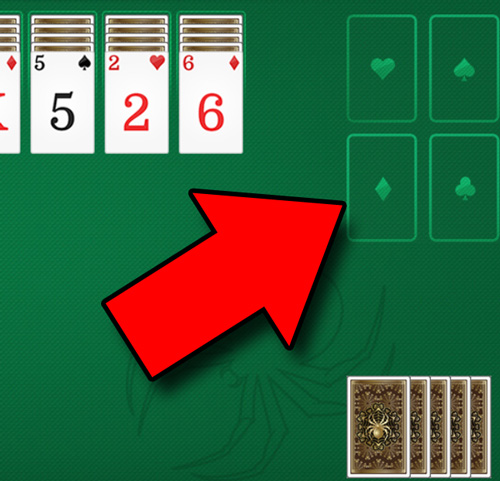
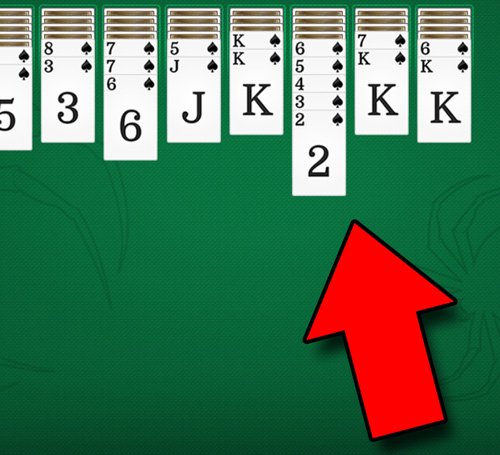
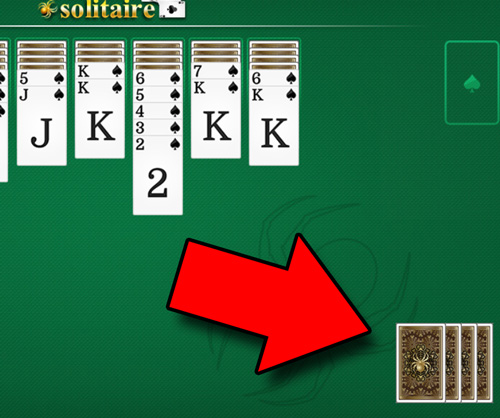
⭐ Your favorites
🎮 Related games