
Most players treat the emoji game like a speed test. That is why progress feels inconsistent. The best results come from structure, not frantic clicking: know what to prioritize first, when to switch pace, and how to avoid low-value actions that waste your short 2-minute window.
What actually makes a 2-minute round successful
You are competing on two fronts at once: your own collection efficiency and the system's pace. A round is won less by raw click speed and more by correct sequence: fill missing value first, then optimize throughput. When this order is reversed, players often click a lot but gain little.
That is why short rounds work so well for improvement. You get fast feedback, clear mistakes, and another chance immediately.
The core rule: value first, volume second
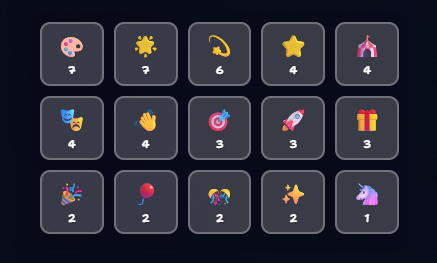
- Fill unique slots before farming duplicates. If a slot is already satisfied, repeating that emoji too early creates low-value clicks.
- Track the system gap continuously. If the system is ahead, raise tempo with controlled accuracy. If you are ahead, protect consistency and avoid misses.
- Switch phase intentionally. Early game = discovery and coverage. Mid/late game = efficient collection and mistake prevention.
A practical 2-minute loop you can repeat
- First 30-40 seconds: prioritize uncovered emoji types and avoid duplicate tunnel vision.
- Middle phase: stabilize rhythm, keep eyes on both grid needs and system counter.
- Final phase: remove panic clicks, protect accuracy, and take only clear-value taps.
High-impact mistakes that quietly lose rounds
- Panic speed. Fast misses hurt more than slightly slower accurate clicks.
- Counter blindness. Ignoring the system score delays necessary pace adjustments.
- Early duplicate farming. Chasing familiar icons before slot coverage reduces total round efficiency.
- Difficulty jumping too early. Hard mode before stable Normal wins creates noisy practice instead of real improvement.
- No run objective. “Play better” is vague; one measurable focus per run works better.
Use this progression plan
Start by locking consistency on Easy, then move to Normal with one rule per session (for example: “no panic clicks in final 30 seconds”). Enter Hard only when Normal wins are repeatable, not occasional.
Use your stats as training data: best score, win/loss by difficulty, and where rounds collapse. That turns short play into deliberate improvement.
One goal for your next round
Pick exactly one target before you start: “unique slots first,” “watch counter every 5 seconds,” or “no duplicate taps in opening phase.” Small measurable goals beat random retries.
Play one 2-minute run with intention. Then run another and compare decisions, not just score. For full rules and mechanics, check How to Play.