
Chess has survived for centuries because it offers something rare: fun, challenge, and clear mental training in one system. Mini-chess keeps the same core principles but makes the game feel more approachable for modern players. Whether you play classical games or faster formats, the same benefits appear: deeper concentration, better planning, and calmer choices under pressure.
Where chess started: a short origin timeline
Chess did not begin as a finished game. Its history is a long chain of adaptation across regions, languages, and cultures. The broad timeline accepted by major references (including Britannica and standard chess-history scholarship) looks like this:
- India (around the 6th century CE): the best-known ancestor is chaturanga, a strategy game with differentiated military units and a king-centered win condition.
- Persia: the game was adopted as chatrang, then later known as shatranj. Persian chess culture helped formalize terminology and early strategic thinking.
- Islamic world (from roughly the 7th-10th centuries): shatranj spread widely through major intellectual centers. Players documented opening patterns and composed analytical positions, turning the game into both recreation and study.
- Europe (late medieval to Renaissance): rule changes accelerated gameplay and produced modern chess. The most important shift was the expansion of queen and bishop movement, which transformed the pace and tactical depth of the game.
This history matters because modern chess is not just "an old board game." It is the result of centuries of refinement: slower positional traditions from earlier forms combined with the dynamic tactical power introduced later in Europe.
Mini-chess sits directly on that inheritance. Even when the format is faster, the intellectual DNA is historical: Indian roots, Persian transmission, Arabic and Mediterranean scholarship, and European rule standardization shaping the game we play today.
What mini-chess is (and what it is not)
Mini-chess is not a different set of pieces or a novelty board. It is still standard chess logic: development, king safety, tactical awareness, and endgame conversion. The difference is format and pacing, not quality. You still have to evaluate positions honestly and take responsibility for every move.
That makes mini-chess a useful entry point for new players and a sharp training tool for experienced players who want to improve practical decision-making.
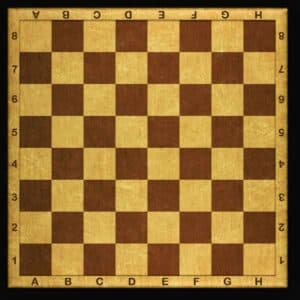
Positive effects on the mind and behavior
Chess and mini-chess are not medical treatment, but many players consistently report meaningful mental benefits when they practice with intention:
- Stronger attention control. You practice holding focus on one position instead of jumping between distractions.
- Better planning under uncertainty. You learn to build a plan with incomplete information, then adapt when the position changes.
- Impulse control. The game rewards pausing for two seconds before moving, which is useful outside chess too.
- Emotional regulation. You make mistakes, recover, and continue - a small but real exercise in staying calm.
- Decision accountability. Every move has visible consequences, which helps build disciplined thinking.
That combination is uncommon in digital entertainment: you get challenge, but also discipline.
How chess improves decision quality
Chess rewards process, not guesswork. Strong players repeatedly use the same cycle: evaluate threats, compare candidate moves, estimate consequences, then commit. Over time this cycle becomes a habit outside the board too. You start making decisions with more structure and less emotional noise.
The effect is practical: fewer impulsive choices, better risk awareness, and more patience when outcomes are not immediate.
A practical way to train with chess
- Before move 1: pick one training theme (king safety, reducing blunders, or better piece activity).
- Opening: develop pieces and protect your king before chasing tactics.
- Middlegame: ask "what is my opponent threatening?" before calculating your attack.
- Endgame phase: simplify when ahead and activate your king when appropriate.
- After the game: review one turning point and one missed resource. Keep it honest.
This keeps the game educational, not just competitive.
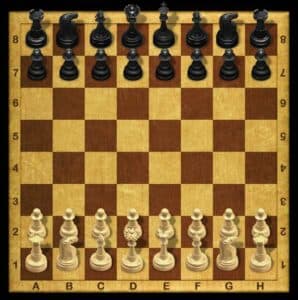
Why chess stays relevant in modern life
Many modern games train reaction speed. Chess trains judgment. It teaches you to slow down, detect what matters, and accept consequences without excuses. That is why chess and mini-chess remain relevant across generations: they develop habits that transfer to study, work, and personal decisions.
A simple challenge
Open one game of Mini Chess and use one rule: no move until you name your opponent's main threat. Win or lose, this one habit improves both board quality and everyday decision discipline.