
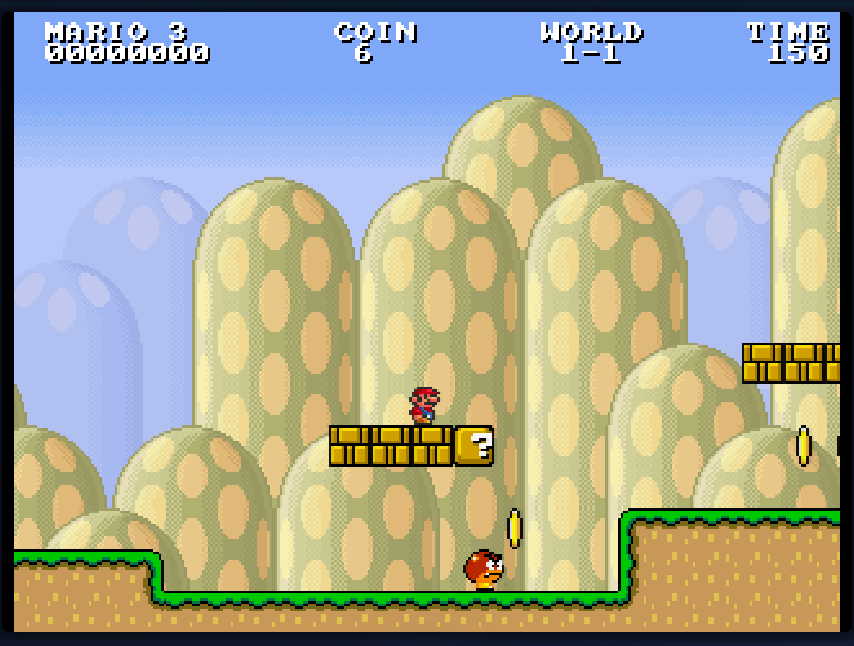
Platformer looks like pure action at first: jump, run, shoot, reach the flag. The twist is that levels are procedurally generated, so consistency comes from adaptation, not memorization. Strong clears happen when you read terrain quickly, manage momentum, and pick safer lines before hazards fully enter the screen.
Why this game is more than “quick reflexes”
Most failed runs are not random. They come from rhythm breaks: an early jump, a greedy coin line, a late landing correction, or carrying too much speed into a narrow section. In procedural layouts, these mistakes hurt more because every new section asks for quick re-evaluation.
That is exactly why this format works for short breaks: one level is a complete mini-loop with immediate feedback. You can test one habit, get a clear result, and improve in minutes even when the exact level shape changes each run.
Three layers that make your runs cleaner
- Movement rhythm. Keep jump timing consistent so your landings are predictable, not improvised.
- Route selection. Prefer survivable paths over risky “perfect” lines when both reach the same objective.
- Recovery discipline. After a small mistake, stabilize first, optimize second. Panic chaining causes most double-errors.
A practical 2-6 minute platformer loop
- Scout the section. Identify the next safe landing before you move into hazard range.
- Execute with controlled speed. Fast is good only if you keep correction room.
- Reset after pressure moments. Regain spacing and timing before forcing the next action.
- Close with intent. Finish the level with a stable line instead of a final greedy risk.
High-impact mistakes to remove first
- Coin tunnel vision. Taking a coin path that ruins your next landing is rarely worth it.
- Overcommitting momentum. Full-speed entries into tight geometry reduce correction options.
- Late jump panic. Last-moment jumps often miss height control and force bad follow-ups.
- Fire-power overconfidence. Shooting helps, but it does not replace spacing and jump discipline.
- No recovery rule. Without a reset habit, one mistake quickly becomes three.
Use one objective per level
Before each run, choose one measurable focus: “No blind jumps,” “No coin pickups that break my landing line,” or “I stabilize after every messy section.” This turns short sessions into real progression instead of random retries.
Open Platformer, clear one level with intention, and let score/survival improve as a by-product of better decisions.