


Back to games

🎮 Freecell Solitaire

Freecell Solitaire is a classic single-player card game where almost every deal can be solved with good strategy. It combines simple rules with thoughtful planning as you move cards between columns, free cells, and foundation piles.

The playable game is provided by playpager.com. Rules, tips, and more on this page are from Do Not Disturb Me.

If the game doesn't load, try refreshing the page or enable JavaScript.

📖 About Freecell Solitaire

Category: card

FreeCell Solitaire is a classic strategy card game

FreeCell Solitaire is a single-player patience game where every card is dealt face-up from the beginning. Because you can always see what’s coming, the challenge is less about luck and more about planning: you must decide which moves will open paths today and still leave good options for later.

Where FreeCell comes from

FreeCell started as a computerized solitaire game. In 1978, Paul Alfille implemented FreeCell for the PLATO computer system (at CERL / University of Illinois, USA). The game later became widely known through Microsoft, which included FreeCell in Windows from 1995 onward—helping it turn into a modern classic.

Objective

Your goal is to move all 52 cards onto the four foundation piles. Each foundation builds upward by suit, starting with the Ace and finishing with the King.

How to play (the basics)

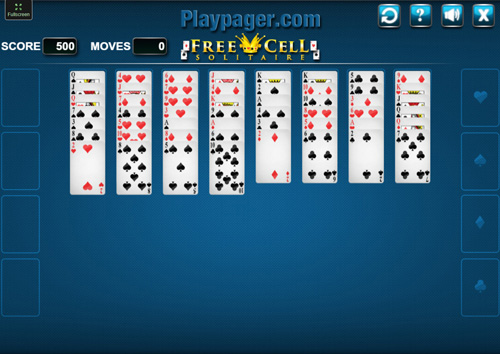
  • Tableau & cascades – Cards are arranged in columns (cascades). You build them down in alternating colors (red/black).
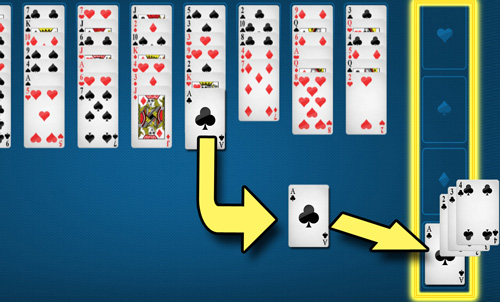
  • Foundations – Place cards by suit, building from Ace → King.
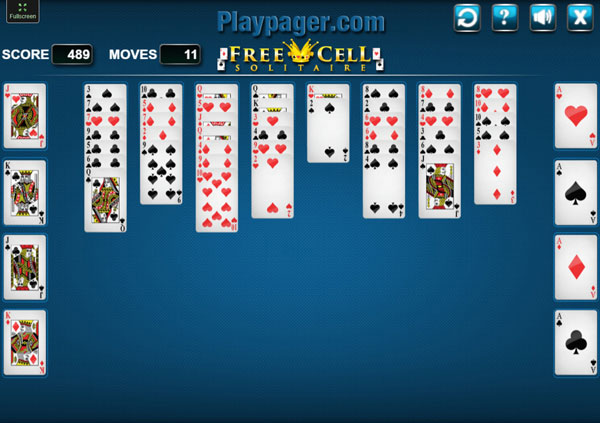
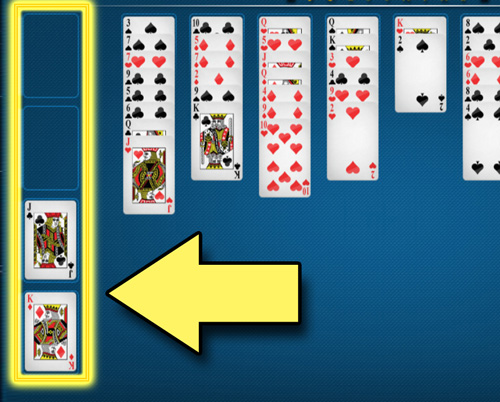
  • Free cells – Use the empty free cells as temporary holding spots. This is how you “unlock” blocked sequences and create new move options.
  • Making moves – Move cards or the top card of a cascade according to the alternating-color, descending rule, or place them directly onto a foundation when possible.

Strategy tips that help you win

  • Protect your access – Avoid using free cells in ways that make it harder to reach face-down (or buried) cards later.
  • Look for forced progress – If a move to a foundation is available, it often reduces clutter and improves your options.
  • Plan “chains” – Before committing, check whether your move sets up future alternating-color builds.
  • Use empties wisely – When you have an empty free cell (or an empty cascade), you can use it to reorganize key cards and break deadlocks.

Because every card is visible, FreeCell rewards thoughtful sequencing. With practice, you’ll start recognizing win patterns—especially around freeing up columns and converting temporary holds into foundation progress.

Screenshots