


⭐ Your favorites
🎮 Related games
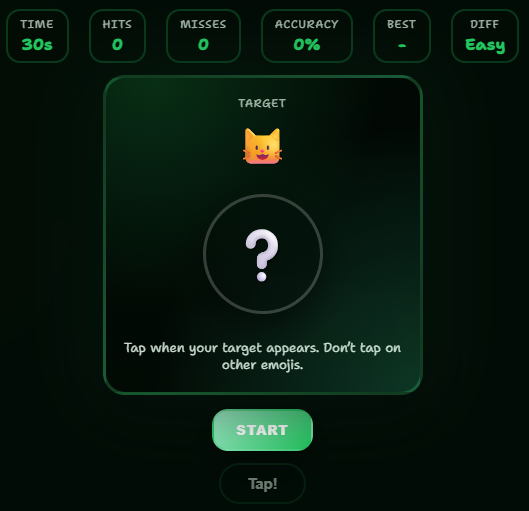
Emoji Reaction
Emoji Reaction - tap only when the right emoji appears. Test your reaction time in a quick brows…

Memory Match
Test your memory with our Memory Match game! Match emoji pairs across 4x4, 6x6, or 8x8 grids. Ch…
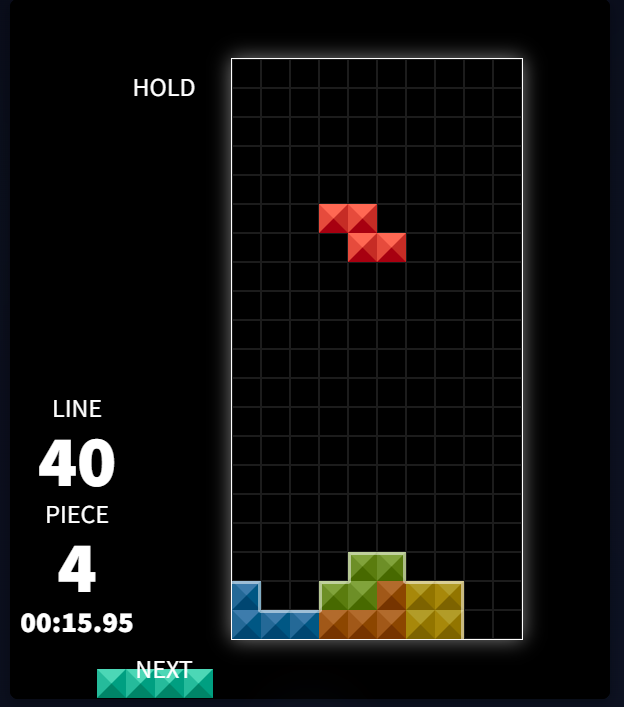
Block Puzzle
Arrange falling blocks to clear lines! Classic block puzzle game with hold, preview, and ghost p…
Bubble Sorcerer
Shoot your bubble ball and build series of 3 in the same color to POP THEM ALL!

Brick Breakout
Break all the blocks with the ball across 10 levels. Catch power-ups like Fireball and Triple Ba…
Sudoku
Sudoku is a classic number puzzle game where you fill a 9x9 grid so each row, column, and 3x3 bo…
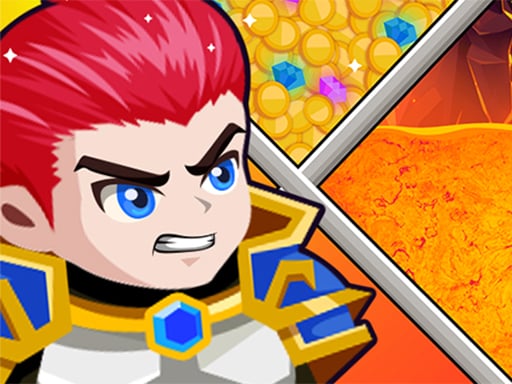
Hero Rescue Puzzle
Do you like rescue games? Of course, they are great. Help the hero rescue to save the princess a…

Love Balls 2D
It's time to use your brain and find a way to bump the balls! The rule's easy, just draw lines o…

Happy Glass : Fill the Glass by Draw Lines
Simply Filling Happy Glass with Draw Lines, Make a Crow Happy Try to find the best way to comple…

Pou Online
Do you have what it takes to take care of your very own alien pet? Feed and take care of Pou.

Save The Girl Epic
You need to rescue the girl in the game and help her avoid all kinds of dangers. Find a way out.…

Pull Him Out Online
The hunter begins his journey for treasure, but the puzzles in front of the hunter trapped him.…
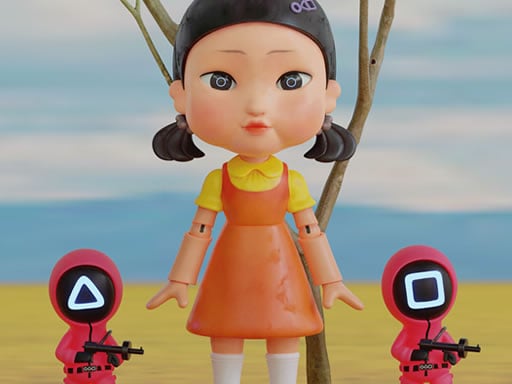
Squid Game Hidden
Squid Game Hidden is a free online skill and hidden object game. Find out the hidden objects in…
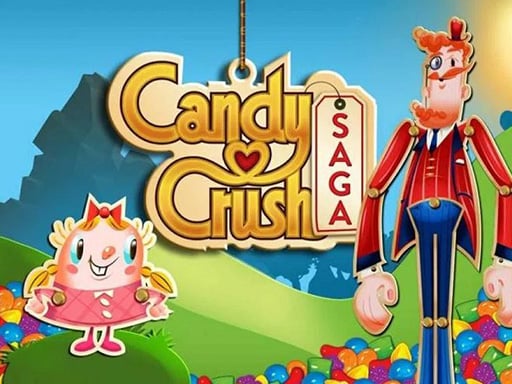
Candy Crush Saga King
Plan your moves by matching 3 or more candies in a row, using boosters wisely in order to overco…
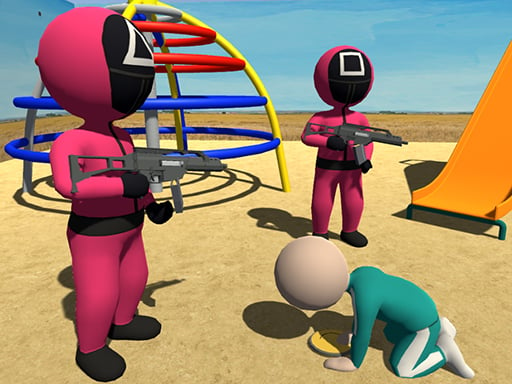
Squid Game Dalgona Candy 3D
With the Squid Game Dalgona Candy game, you must remove the shapes in the candy molds with the h…

Bentley Supersports Convertible Puzzle
Play with 9 images in this perfect jigsaw puzzle game: Bentley Supersports Convertible Puzzle. A…
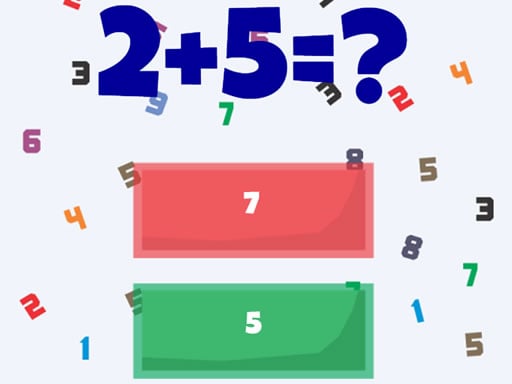
Correct Math
Correct Math is a mathematical game where you can test your knowledge in addition and subtractio…

Brain Test: IQ Challenge
Brain Training: Logic & Puzzle Games Educational puzzle game for all ages! Improve logical think…
Ads look blocked
Do Not Disturb Me stays free with light ads. If you use an ad blocker, please allow ads for this site.
Then refresh the page — thanks for supporting the project.